
Blog
HOME / BLOG

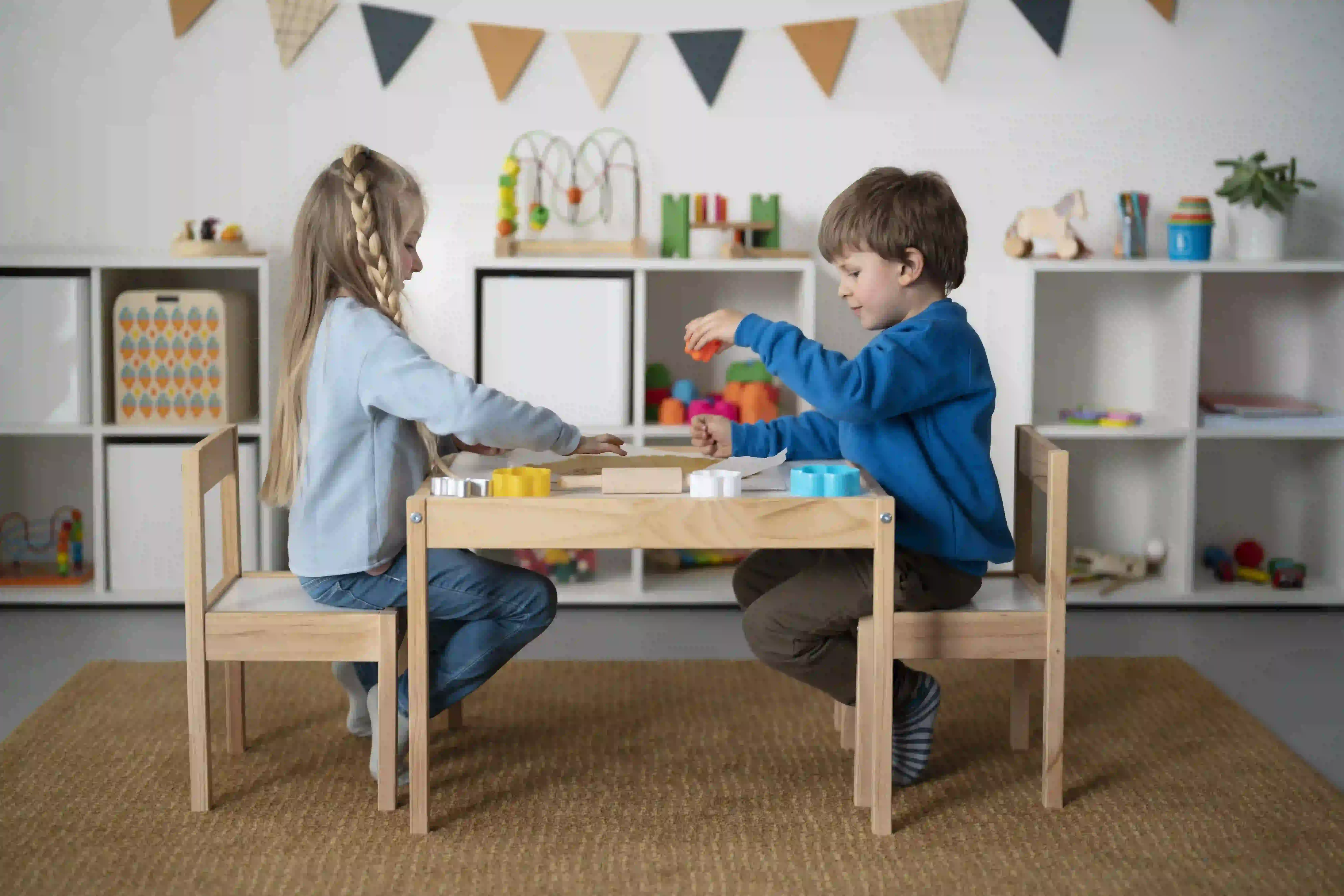
Importance of Good Nutrition for Kids
Every parent wants their child to grow up healthy, active, and happy. One of the most important factors that influence a child’s growth and development is good nutrition. The food children eat every day directly affects their physical growth, brain development, immunity, and overall well-being.
During childhood, the body and brain develop rapidly. Because of this, children need a balanced diet that provides the right combination of nutrients such as proteins, vitamins, minerals, healthy fats, and carbohydrates. When kids receive proper nutrition, they have more energy, perform better in school, and build healthy habits that can last a lifetime.
One of the most critical periods for nutrition is the first 1,000 days of life—from pregnancy to a child’s second birthday. During this stage, the body and brain develop quickly, and proper nourishment can shape a child’s health for many years to come.
Why Good Nutrition Is Important for Kids
1. Supports Healthy Physical Growth
Children’s bodies are constantly growing, and proper nutrition plays a key role in supporting this growth. Nutrients such as protein, calcium, and vitamin D help build strong bones, muscles, and teeth.
When children eat a balanced diet, they grow at a healthy rate and develop stronger bodies. On the other hand, poor nutrition can lead to problems such as weak bones, fatigue, and delayed growth.
2. Helps Brain Development and Learning
A child’s brain develops quickly during the early years of life. Nutrients like iron, iodine, and omega-3 fatty acids are essential for brain function and cognitive development.
Children who eat nutritious foods often have better concentration, improved memory, and stronger learning abilities. Proper nutrition can also support better performance in school and help children stay focused during daily activities.
3. Strengthens the Immune System
Kids are often exposed to germs at school, playgrounds, and other environments. A healthy diet helps strengthen the immune system, allowing the body to fight infections and illnesses more effectively.
Foods rich in vitamin A, vitamin C, and antioxidants, such as fruits and vegetables, help protect children from common infections and keep their bodies strong.
4. Prevents Health Problems Later in Life
Healthy eating habits formed during childhood can significantly reduce the risk of chronic diseases in adulthood. Poor eating habits may increase the chances of childhood obesity, diabetes, and heart-related problems later in life.
Teaching kids to enjoy healthy foods from an early age helps them make better food choices as they grow older.
5. Provides Energy for Daily Activities
Children are naturally active—they play, learn, explore, and stay busy throughout the day. Nutritious foods provide the energy needed for these activities.
Foods such as whole grains, fruits, nuts, and lean proteins give children long-lasting energy and help them stay active without feeling tired or sluggish.
Essential Nutrients Kids Need
To support healthy growth and development, children need a variety of nutrients in their daily diet.
Protein
Protein helps repair body tissues and supports muscle growth. Good sources include eggs, dairy products, beans, lentils, fish, and lean meat.
Iron
Iron is important for brain development and helps prevent anemia. Iron-rich foods include spinach, lentils, fortified cereals, and red meat.
Calcium and Vitamin D
These nutrients help build strong bones and teeth. Milk, yogurt, cheese, and sunlight exposure are excellent sources.
Fruits and Vegetables
Fruits and vegetables provide important vitamins such as vitamin A and vitamin C, which help boost immunity and support overall health.
Simple Nutrition Tips for Kids
Breastfeeding in the First 6 Months
Health experts recommend exclusive breastfeeding during the first six months of life. Breast milk provides essential nutrients and antibodies that support healthy growth and protect babies from infections.
Provide a Variety of Foods
Children should eat a mix of fruits, vegetables, whole grains, dairy products, and proteins. Offering different foods helps ensure they receive a wide range of nutrients.
Limit Junk Food and Sugary Drinks
Foods high in sugar, salt, and unhealthy fats should be limited. Too much junk food can lead to weight gain and poor nutrition.
Encourage Healthy Eating Habits
Parents and caregivers play a major role in shaping children’s eating habits. Preparing home-cooked meals, offering healthy snacks, and eating together as a family can encourage better food choices.
Conclusion
The importance of good nutrition for kids goes far beyond simply filling their plates. Proper nutrition supports strong physical growth, brain development, a healthy immune system, and long-term well-being.
By providing children with a balanced diet and encouraging healthy eating habits from an early age, parents can give them the strong foundation they need to grow into healthy and successful adults. Good nutrition truly acts as the building block for a child’s bright and healthy future.
If you are looking for the best preschool in Noida Sector 122, choosing a school that focuses on both nutrition and early learning can make a big difference in your child’s development.
Recent Post
 April 8, 2026
Drawing Activities for Kids: Creative Learning Ideas for Preschooler
 April 4, 2026
How to Teach Kids to Write Alphabets (Complete Step-by-Step Guide)
 April 3, 2026
Human Body Parts Name – Complete Guide (Head to Toe)
 March 31, 2026
National Symbols of India: Complete List with Meaning & Importance
 March 16, 2026
Height Weight Chart for Kids: A Complete Growth Guide for Parents
 March 9, 2026
The 7 Colors of the Rainbow: Order, Meaning, and Science Behind It
 March 7, 2026
Fun learning activities for 0–4-year-olds kids
 March 6, 2026
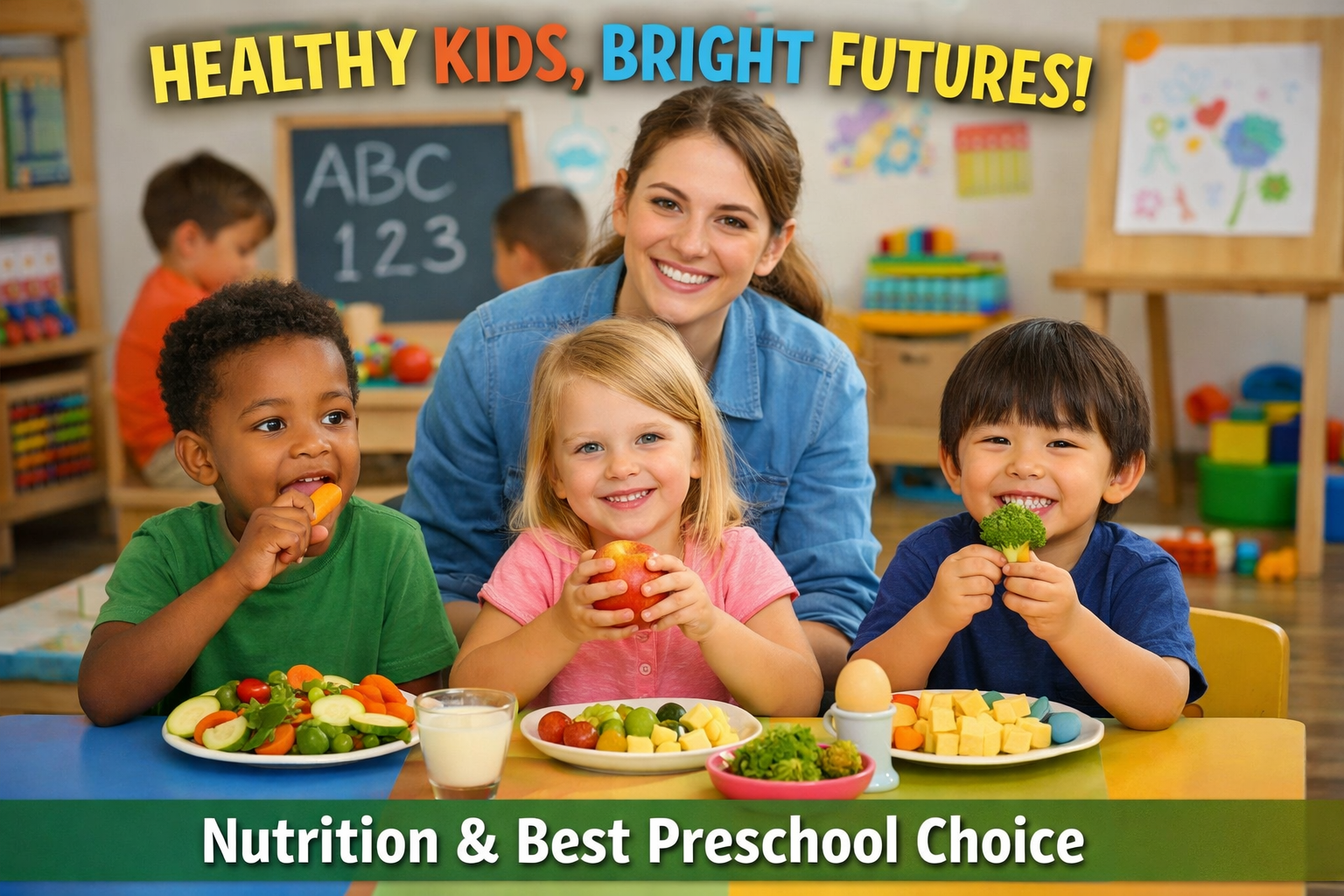
Importance of Good Nutrition for Kids
 February 20, 2026
Beyond Babysitting: How Working Parents Can Identify a Daycare That Truly Builds Their Child’s Future
 February 19, 2026
10+ Preschool Activities That Make Learning Fun for Kids
 February 17, 2026
Holi Activities for Children/kids: Safe, Creative, and Sensory-Rich Celebration Ideas
 January 27, 2026
Best Preschool in Noida Sector 122 – What Parents Should Look For
January 27, 2026
Playgroup vs Nursery – Which Is Right for Your Child?
January 27, 2026
Preschool Admission Process in Noida – A Parent’s Guide (2026–27)
January 27, 2026
How Play-Based Learning Supports Early Childhood Development