
Blog
HOME / BLOG

How to Teach Kids to Write Alphabets (Complete Step-by-Step Guide)
Teaching kids to write alphabets is a gradual process that involves more than just holding a pencil. It requires fine motor development, correct stroke formation, repetition, and fun practice methods.
This guide adds a complete writing-focused approach to your alphabet teaching blog—so children not only recognize letters but also write them confidently and correctly.
What Skills Are Needed Before Writing Alphabets?
Before starting alphabet writing, children should develop:
- Hand strength (gripping objects)
- Finger control (pinching, picking small items)
- Eye-hand coordination
- Basic line drawing skills
Without these, writing can feel difficult and frustrating for kids.
1. Start with Pre-Writing Skills (Very Important)
Before actual alphabets, teach basic strokes:
- Standing line ( | )
- Sleeping line ( — )
- Slanting line ( / \ )
- Curves ( ? )
These are the building blocks of all letters.
Pre-Writing Practice Activities
- Trace lines on worksheets
- Join dots
- Thread beads
- Draw shapes
???? This prepares the child’s hand for writing letters easily.
2. Teach Proper Pencil Grip
Correct grip is essential for neat writing.
- Use tripod grip (thumb + index + middle finger)
- Avoid tight gripping
- Keep wrist relaxed
???? You can use:
- Pencil grips
- Short crayons (easy for kids to hold)
3. Start with Easy Letters First
Begin with letters that are easy to write:
- L, I, T, E (straight lines)
- Then move to: C, O, S (curves)
???? Avoid starting with complex letters like:
- B, R, G
This builds confidence step by step.
4. Teach Letter Formation (Stroke by Stroke)
Do not just show the letter—teach how to write it.
Example:
- A ? Start from top ? slant line ? slant line ? middle line
???? Focus on:
- Starting point
- Direction of strokes
- Proper sequence
5. Use Multi-Sensory Writing Methods
Kids learn writing faster when they feel and experience letters.
Sensory Writing Activities
Write letters in sand or salt
- Use shaving cream
- Finger tracing
???? Helps memory through touch
Fun Writing with Materials
- Make letters using clay
- Trace with colors or paints
???? Makes writing fun, not boring
6. Use Tracing Method (Step-by-Step Learning)
Start with:
- Dotted letters
- Light tracing
- Independent writing
???? ????-???? ????? ??? ????? ????? ????
7. Practice on Different Surfaces
Different surfaces improve control and interest:
- Paper
- Whiteboard
- Chalkboard
- Floor writing (big letters)
???? Big writing helps in better understanding of shapes.
8. Follow Uppercase ? Lowercase Strategy
Start with uppercase letters (easier shapes), then move to lowercase.
Example:
- A ? a
- B ? b
???? This reduces confusion and improves clarity.
9. Daily Short Practice (Consistency is Key)
- Practice time: 10–15 minutes daily
- Focus on 1–2 letters per day
???? Avoid:
- Long writing sessions
- Forcing the child
10. Make Writing Fun with Games
Writing Games
- Write & wipe boards
- Alphabet puzzles
- Match letters with objects
???? Learning becomes play, not pressure
11. Common Mistakes to Avoid
- Forcing early writing
- Ignoring pencil grip
- Teaching too many letters at once
- Not correcting stroke direction
- Skipping pre-writing skills
12. Signs Your Child is Learning Writing Properly
- Correct grip
- Can trace letters easily
- Writes basic letters independently
- Recognizes and writes together
Final Conclusion
Teaching kids to write alphabets requires patience, practice, and the right method.
Best approach:
- Start with pre-writing skills
- Use multi-sensory techniques
- Teach stroke formation
- Practice regularly
Choosing the right learning environment also plays a big role in early education. If you are searching for the best preschool in Noida, Euro Kids is one of the top choices, known for its activity-based learning approach and strong focus on foundational skills like alphabet recognition and writing.
Recent Post
 April 8, 2026
Drawing Activities for Kids: Creative Learning Ideas for Preschooler
 April 4, 2026
How to Teach Kids to Write Alphabets (Complete Step-by-Step Guide)
 April 3, 2026
Human Body Parts Name – Complete Guide (Head to Toe)
 March 31, 2026
National Symbols of India: Complete List with Meaning & Importance
 March 16, 2026
Height Weight Chart for Kids: A Complete Growth Guide for Parents
 March 9, 2026
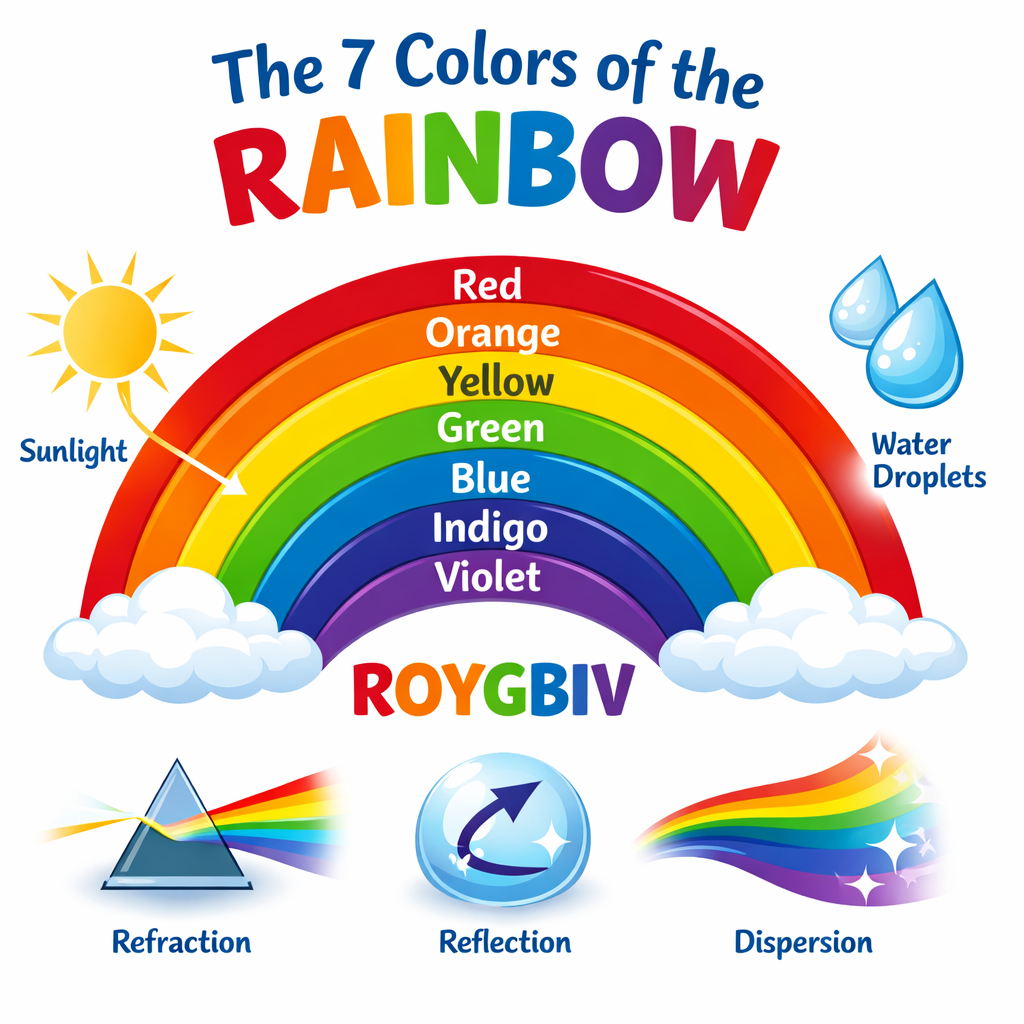
The 7 Colors of the Rainbow: Order, Meaning, and Science Behind It
 March 7, 2026
Fun learning activities for 0–4-year-olds kids
 March 6, 2026
Importance of Good Nutrition for Kids
 February 20, 2026
Beyond Babysitting: How Working Parents Can Identify a Daycare That Truly Builds Their Child’s Future
 February 19, 2026
10+ Preschool Activities That Make Learning Fun for Kids
 February 17, 2026
Holi Activities for Children/kids: Safe, Creative, and Sensory-Rich Celebration Ideas
 January 27, 2026
Best Preschool in Noida Sector 122 – What Parents Should Look For
January 27, 2026
Playgroup vs Nursery – Which Is Right for Your Child?
January 27, 2026
Preschool Admission Process in Noida – A Parent’s Guide (2026–27)
January 27, 2026
How Play-Based Learning Supports Early Childhood Development